

Years ago, I was working at a community-based mentoring program in Austin, Texas. Part of my role included interviewing and screening the volunteers who wanted to mentor a young person one-on-one. Even with interviews, background checks, reference checks, and other safety measures in place, I always had a lingering question in the back of my mind: How do I really know this person is safe?
Today, I work as a Risk Consultant at Praesidium, an organization dedicated to preventing sexual abuse in organizations that serve youth and other vulnerable populations. We partner with a wide range of institutions—behavioral and mental health providers, social service agencies, religious organizations, schools, and youth development programs—to help them create safer environments for children and teens.
Through this work, I now know what research confirms: we can’t rely on gut instinct alone to determine who might pose a risk. People who harm youth often appear trustworthy and well-intentioned. They’re rarely the “monsters” we imagine. More often, they are staff or volunteers who intentionally build trust—not just with youth, but also with the adults in their lives. That’s why relying solely on intuition won’t keep kids safe.
What Does Prevent Abuse? A Systematic Approach
To truly prevent abuse, organizations need a comprehensive, systematic approach to child protection. And as a parent, you play a key role in advocating for that commitment to safety. By asking the right questions, you can help ensure the programs your child or teen is involved in prioritize child abuse prevention.
Here are five key questions to ask any organization that works with youth:
1. What policies do you have in place to prevent abuse?
Look for a written Code of Conduct that outlines boundaries and limits one-on-one interactions. This should include clear expectations around physical contact, communication on social media, and interactions outside of program settings.
2. How do you screen staff and volunteers?
Go beyond background checks. Ask if the organization conducts in-depth interviews and checks references. Are staff and volunteers re-screened regularly?
3. What kind of training do staff receive?
Staff and volunteers should be trained to recognize grooming behaviors, supervise effectively, prevent youth-to-youth sexual behavior, and respond appropriately to concerns or boundary violations.
4. How are youth supervised?
Ask how the organization handles high-risk situations like bathrooms, transportation, and overnight stays. Some settings should prohibit one-on-one interactions entirely or have specific protocols when they are unavoidable.
5. How do you report concerns or incidents?
There should be multiple, accessible ways for youth, parents, and staff to report concerns—including anonymous options. The organization should have clear protocols for addressing boundary violations and should understand their state’s mandated reporting laws.
Trust Your Gut—But Ask Questions, Too
Your intuition may alert you when something feels off—but effective prevention requires more than instinct. It requires informed questions and shared responsibility. As a parent, you don’t have to simply hope that programs are safe. You can take proactive steps to make them safer.
Looking for more ways to protect your child or teen? Explore Praesidium’s free tools and resources created specifically for parents and caregivers at www.preventabuse.com.
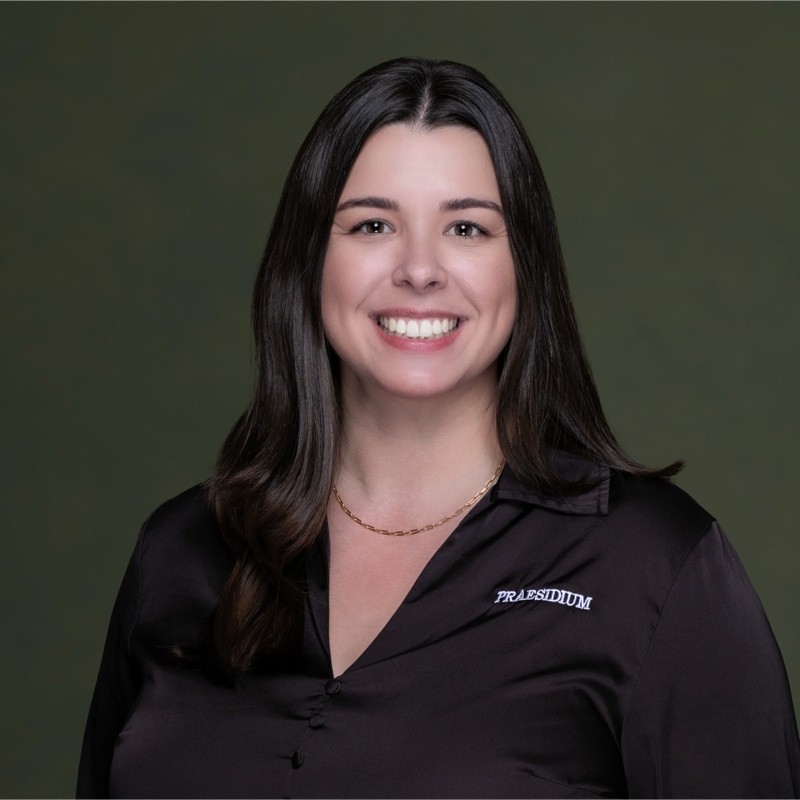
Hannah Evans leverages her 10 years of experience in youth development to guide organizations in preventing sexual abuse. As a Risk Consultant at Praesidium and a Licensed Master Social Worker, Hannah partners with social service and youth development organizations to assess risk, implement prevention strategies, provide education, and ensure effective survivor-focused responses to abuse. Her passion stems from a decade of working with youth in mentoring programs, nonprofits, schools, summer camps, and support groups. She is committed to helping all organizations create safe environments to protect the individuals they serve and achieve their missions.