
For a long time, I approached healing like a project—something I could manage, complete, and measure. I believed that if I just did enough work, I’d finally arrive somewhere better: calmer, clearer, fixed. But healing doesn’t respond to effort the way achievement does. It resists being solved. It asks for presence instead of progress—a willingness to stay with what’s unresolved, and to do so together.
I used to think the goal was to undo old patterns—to fix the ways I’d learned to protect myself or make sense of pain. Now I understand those patterns weren’t problems to solve; they were adaptations. They carried stories and survival instincts passed down through generations. When I look at them through that lens, I see the work isn’t about erasing them—it’s about understanding where they came from and deciding which ones I want to keep.
That shift—from rejection to understanding—is where real forgiveness begins. For a long time, I treated healing as something to earn, as though if I worked hard enough, forgave deeply enough, or learned the “right” lessons, I’d finally feel the peace I was chasing. But that approach made healing transactional. I was doing the work to feel different, not to be different.
True healing doesn’t work like that. Forgiving those who came before us isn’t about excusing what hurt; it’s about recognizing that they, too, were doing their best with what they knew—carrying their own unhealed parts. When I can see that clearly, something softens inside. It becomes easier to offer grace—to them, and to myself.
Much of the work we do at PIVOTPoint centers on creating space for others to discover that same gentleness. Whether it’s a young person on a trail making sense of their story, or a parent learning how to show up differently, the invitation is the same: pause, breathe, and listen. When we nurture within, we begin to experience the expansiveness of this work—not as a transaction that promises relief, but as a transformation that opens possibility.
That expansiveness can be intimidating. Transformation asks us to step into the unknown, and sometimes that space feels too wide; when overwhelm creeps in before growth can take root, that’s where community comes in. To be in community—to share experience, vulnerability, and uncertainty—is to remember we don’t have to face the threshold alone. Walking beside others who are navigating their own becoming allows us to find shared strength through shared hope.
Healing doesn’t need to lead to a tidy resolution. It can be an ongoing practice—one breath, one choice, one act of compassion at a time. And maybe that’s the point: healing isn’t about being finished. It’s about learning how to stay unresolved, together.
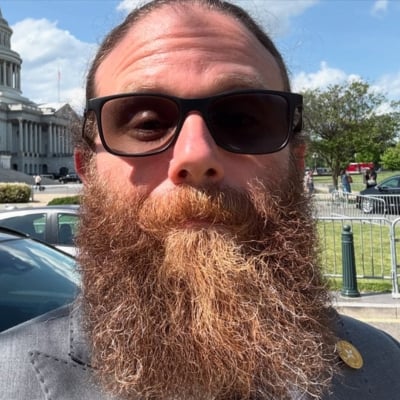
Matt Nannis is the founder and Executive Director of PIVOTPoint WNC, a nonprofit organization in Asheville, North Carolina, that blends experiential education and accredited therapeutic adventure programming to strengthen social and emotional learning in youth. Drawing on his own long-term recovery journey, Matt’s work focuses on helping youth and families find growth through connection, resilience, and self-awareness. He believes that healing happens in real time, in real life – through curiosity, compassion, and community. When he’s not working, Matt can often be found hiking local trails or sharing coffee and stories with friends.